
Breast Cancer 101 & Breaking the Myths
What it actually is: Breast cancer occurs when cells in the breast begin to grow abnormally, most commonly beginning in the milk ducts or the milk-producing glands. Misconceptions regarding risk factors and symptoms can affect how people understand the importance of screening.
Myth 1: “I don’t have a family history, so I’m safe.”
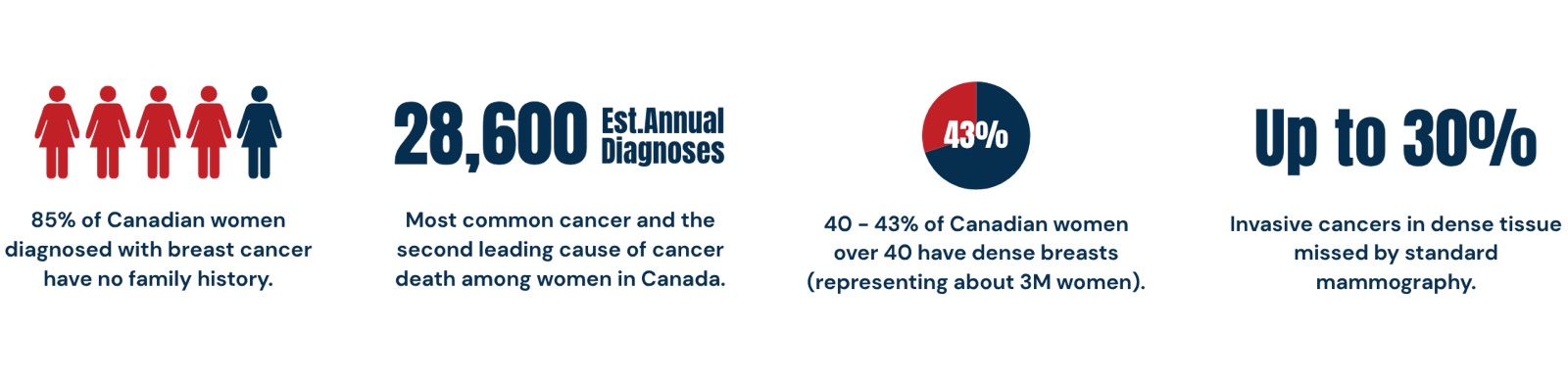
The reality: Most people diagnosed with breast cancer do not have a family history of the disease.
Myth 2: “I’ll feel a lump if something is wrong.”
The reality: Some early-stage breast cancers do not cause noticeable symptoms. Screening may help identify abnormalities before they can be seen or felt.
Myth 3: “Wearing an underwire bra increases my risk of breast cancer.”
The reality: Bra style, underwires, cup size, and how many hours a day you wear a bra do not affect your risk of breast cancer.
This myth originated from an unproven theory that underwires restrict lymphatic circulation, but large clinical studies, including research supported by the National Cancer Institute, have evaluated bra habits and found no association between wearing a bra and developing breast cancer. Normal daily wear does not exert the type of pressure that causes cellular changes or blocks internal fluids.
Myth 4: “Breastfeeding guarantees complete protection against breast cancer.”
The reality: While breastfeeding is associated with a lower long-term risk of developing breast cancer, it does not offer 100% immunity.
Clinical research shows that breastfeeding can reduce overall lifetime risk, partly because it temporarily lowers estrogen levels and delays ovulation. But it remains possible to develop breast cancer regardless of whether you have breastfed. Staying aware of changes in your body and maintaining regular check-ups remains important for everyone.
Myth 5: “If you are young, you don’t need to worry about breast health.”
The reality: While breast cancer risk increases with age, it can affect individuals under 40.
It is true that the majority of cases occur in older adults, but young people can and do develop breast cancer. Because routine screening programs generally begin later in life, staying familiar with what is normal for your body and reporting any unexpected physical changes to your healthcare provider is important at any age.
Myth 6: “A breast injury or physical trauma can cause breast cancer.”
The reality: Physical injury, bumping, or bruising to breast tissue does not cause or turn into breast cancer.
Trauma to the breast can sometimes cause a temporary, firm lump as the tissue heals, such as a deep bruise (hematoma) or a harmless piece of scar tissue (known as fat necrosis). While these lumps can feel alarming, they are entirely non-cancerous. In other cases, getting hurt simply prompts you to check your breast tissue, leading to the discovery of a change that was already there before the injury happened.
Understanding Breast Density and Screening Strategy
Does breast density mean breast cancer?
No. Having dense breasts does not mean that you have breast cancer or that you will necessarily develop it. However, breast density can affect both risk assessment and screening.
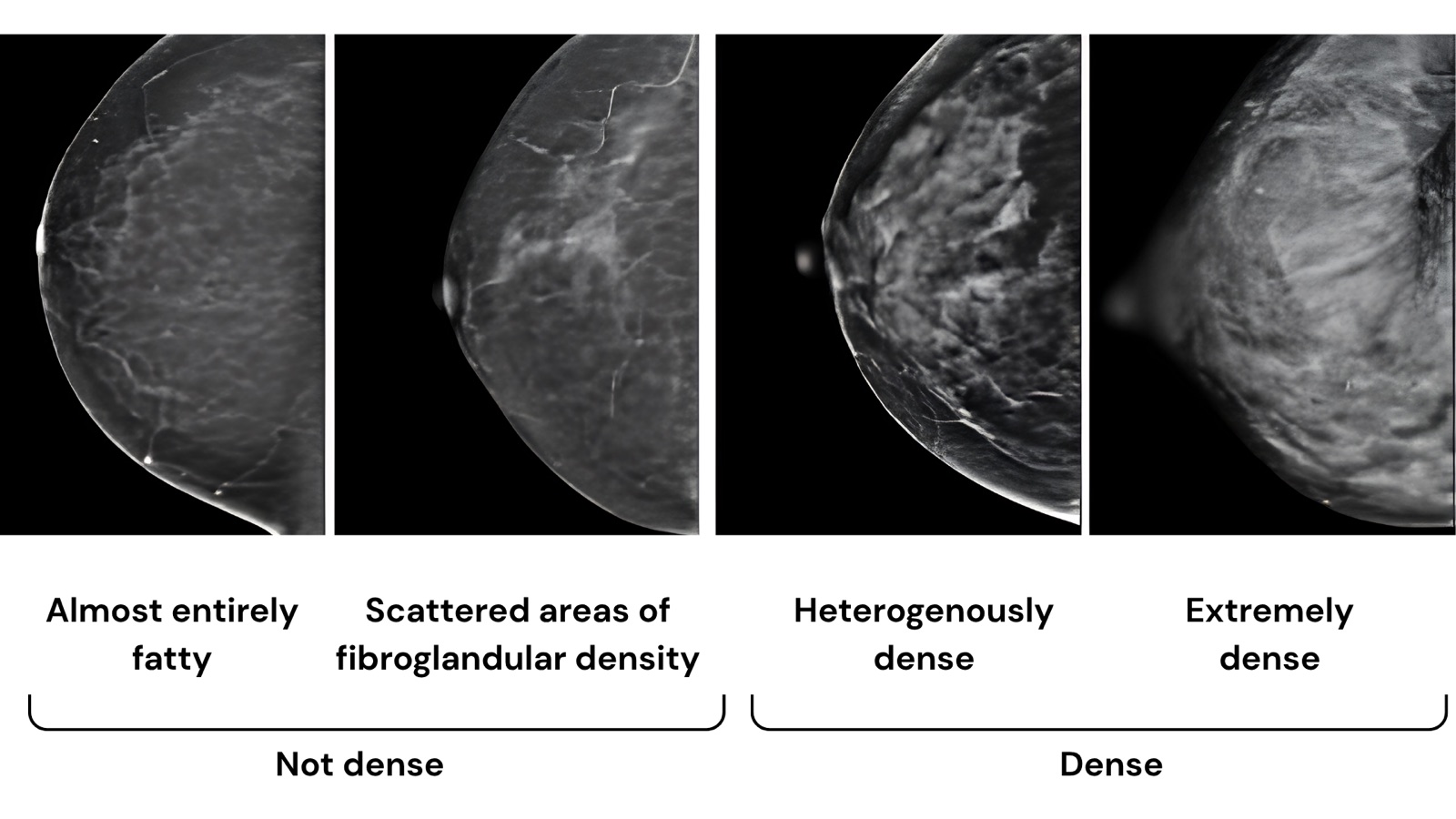
In Canada, many women over the age of 40 have dense breasts. Breast density refers to the proportion of fibrous and glandular tissue compared with fatty tissue, as identified through mammography. It affects screening and risk evaluation in two main ways:
- A higher baseline risk: Women with very dense breasts have a higher risk of developing breast cancer than those with mostly fatty breasts.
- Reduced mammogram sensitivity: Dense tissue and some abnormalities both appear white, making cancer more difficult to detect.
What Are Breast Cancer Screenings Actually Checking For?
Breast screening may involve different approaches based on individual risk factors and breast density. Screening aims to identify possible abnormalities before symptoms develop. Imaging tests examine physical changes, while emerging blood-based tests may analyze biological markers associated with cancer.
1. Mammogram (Standard 2D & 3D)
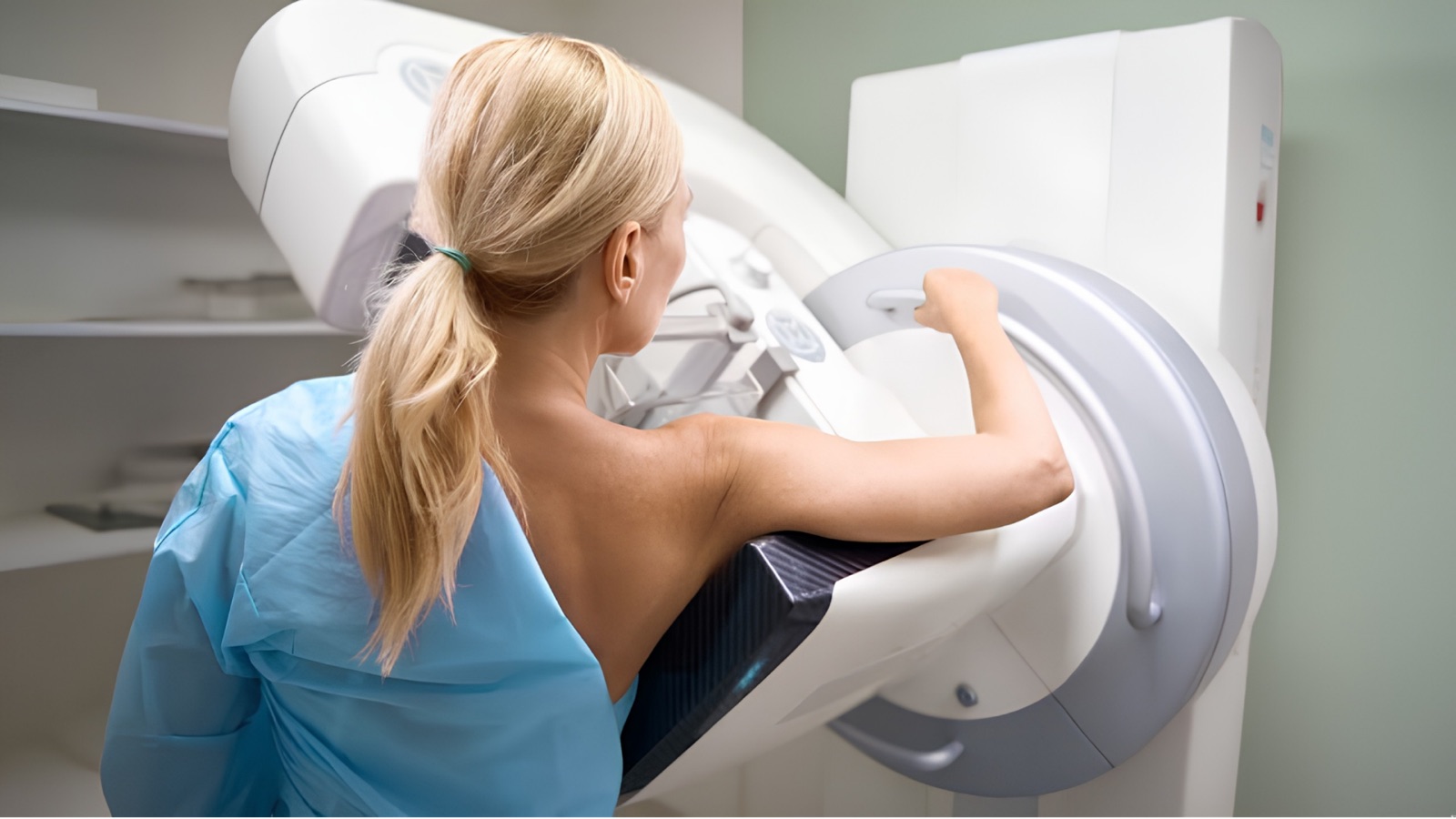
What it is: The primary population-based screening tool in Canada, using low-dose X-rays to create detailed images of breast tissue.
Clinical utility: Mammography can detect abnormalities before they can be seen or felt and is associated with reduced breast cancer mortality. However, its sensitivity may be lower in people with dense breast tissue.
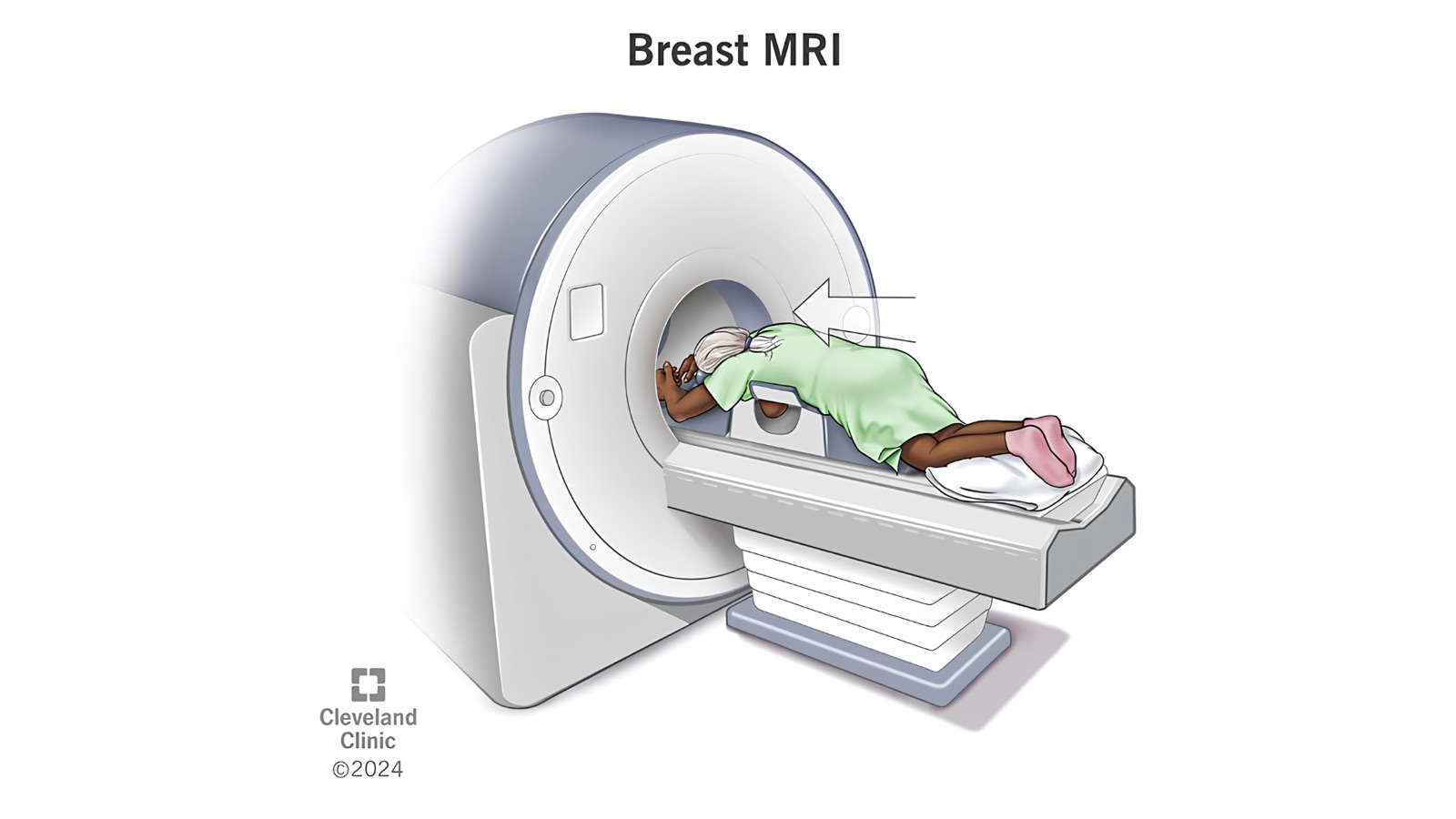
2. Breast MRI (Magnetic Resonance Imaging)
What it is: An imaging technique that uses magnetic fields and radio waves to generate detailed, cross-sectional images without ionizing radiation.
Clinical utility: MRI may be used as supplemental screening for people at higher risk of breast cancer. Dense breast tissue may be considered, but it does not automatically mean that an MRI is required.
3. Molecular Early Detection Options (Cancer Blood Tests / Multi-Cancer Screening)
What it is: This emerging approach examines biological information rather than physical changes in tissue. Depending on the test, it may analyze biological markers or fragments of genetic material in the blood that could be associated with cancer.
Clinical utility: Cancer blood tests may provide additional information, but their performance varies by test, cancer type, and stage. A positive signal requires further investigation and does not confirm a cancer diagnosis, while a negative result cannot rule out cancer. These tests should complement, not replace, mammography or other established screening.
Proactive Screening Guidelines
A personalized screening timeline should be discussed with a qualified healthcare practitioner, taking into account individual risk factors and breast density.
- Know your normals (any age): Breast awareness. Become familiar with how your breasts normally look and feel. Promptly report changes such as new lumps, skin dimpling, nipple inversion, persistent redness, or spontaneous discharge to your healthcare provider.
- Initiating screening (age 40 and over): Baseline & density assessment. Screening guidelines vary by province, but people aged 40 and over may wish to discuss screening options with their healthcare provider based on individual risk factors. A cancer blood test may provide additional information alongside standard imaging, but its performance varies by test, cancer type, and stage. It should not replace mammography or other established screening.
- The dense breast strategy. If your assessment indicates high breast density, consult your physician to determine whether supplemental imaging, such as breast ultrasound or MRI, may be appropriate based on your overall risk.
Disclaimer: This article is for general educational purposes only and does not constitute medical advice, diagnosis, or treatment. Screening recommendations vary by location and individual risk. Cancer blood tests should not be used to delay or replace screening or medical care recommended by a qualified healthcare professional.