
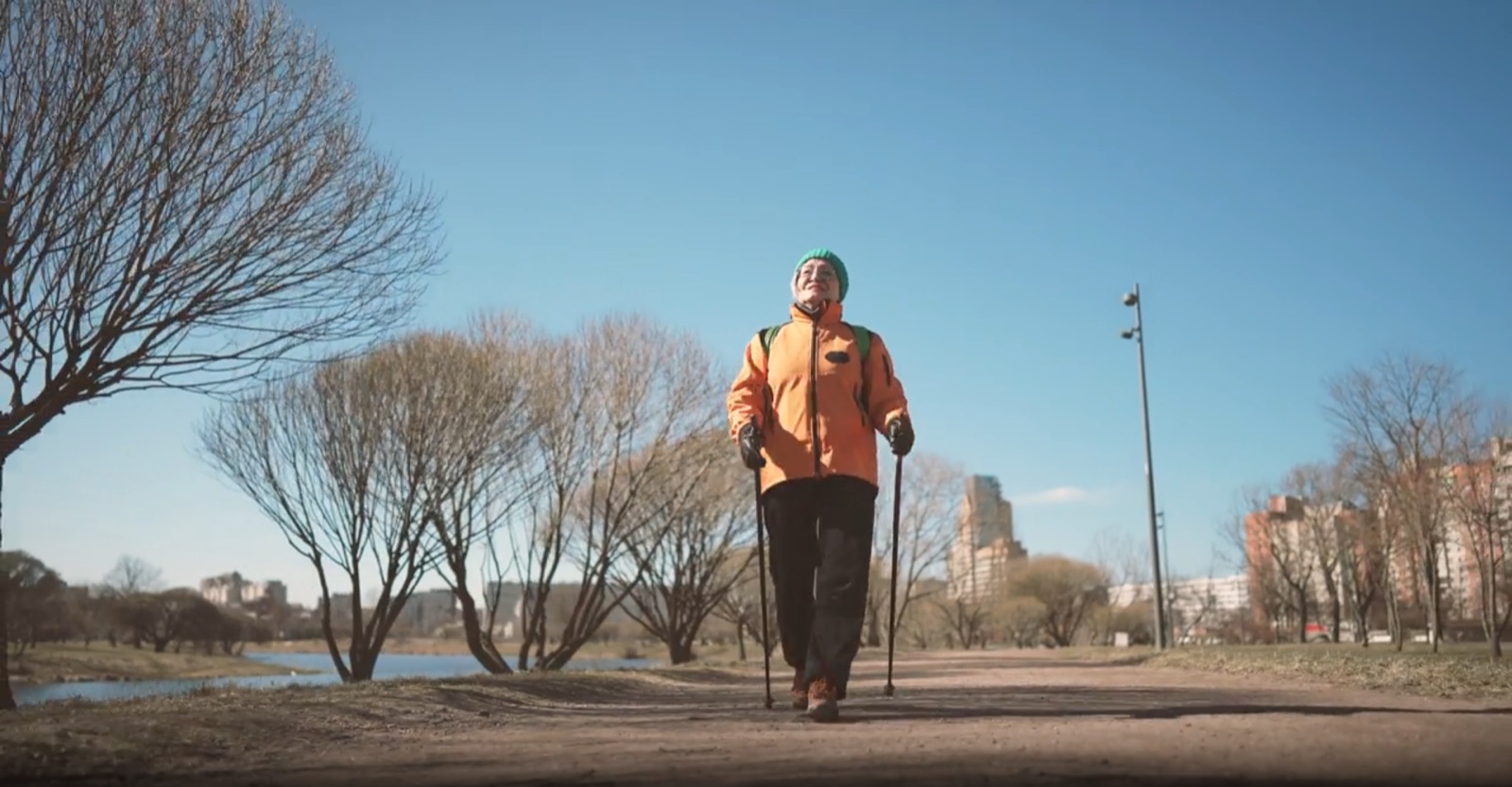
Have you heard of the daily 10,000-step benchmark? We check our fitness trackers at night, feeling accomplished if we cross that line.
But does reaching a daily step goal tell the full story? How does physical movement actually help protect your body from cancer behind the scenes? How much exercise is enough, and is doing more always better?
Let’s look at how daily movement impacts your internal health, what the science says, and how to build a routine that supports your long-term wellness.
General Movement Matters
A landmark study published in JAMA by the National Cancer Institute (NCI) and the CDC looked closely at daily movement:
How Movement Protects Your Body
Step counts are a great starting point, but regular exercise actually guards your health on two major levels:
1. Protecting Cellular Health
- Balancing insulin and hormones: Exercise helps your body handle blood sugar better and keeps hormone levels (like estrogen) balanced. This reduces chemical signals that can tell abnormal cells to grow.
- Lowering systemic inflammation: Moving your body regularly helps calm long-term, low-grade inflammation, keeping everyday cellular damage from building up.
- Boosting immune surveillance: Physical activity speeds up circulation, making it easier for immune cells to travel through your bloodstream, spot damaged cells, and repair them.
2. Keeping Your Muscles and Frame Strong
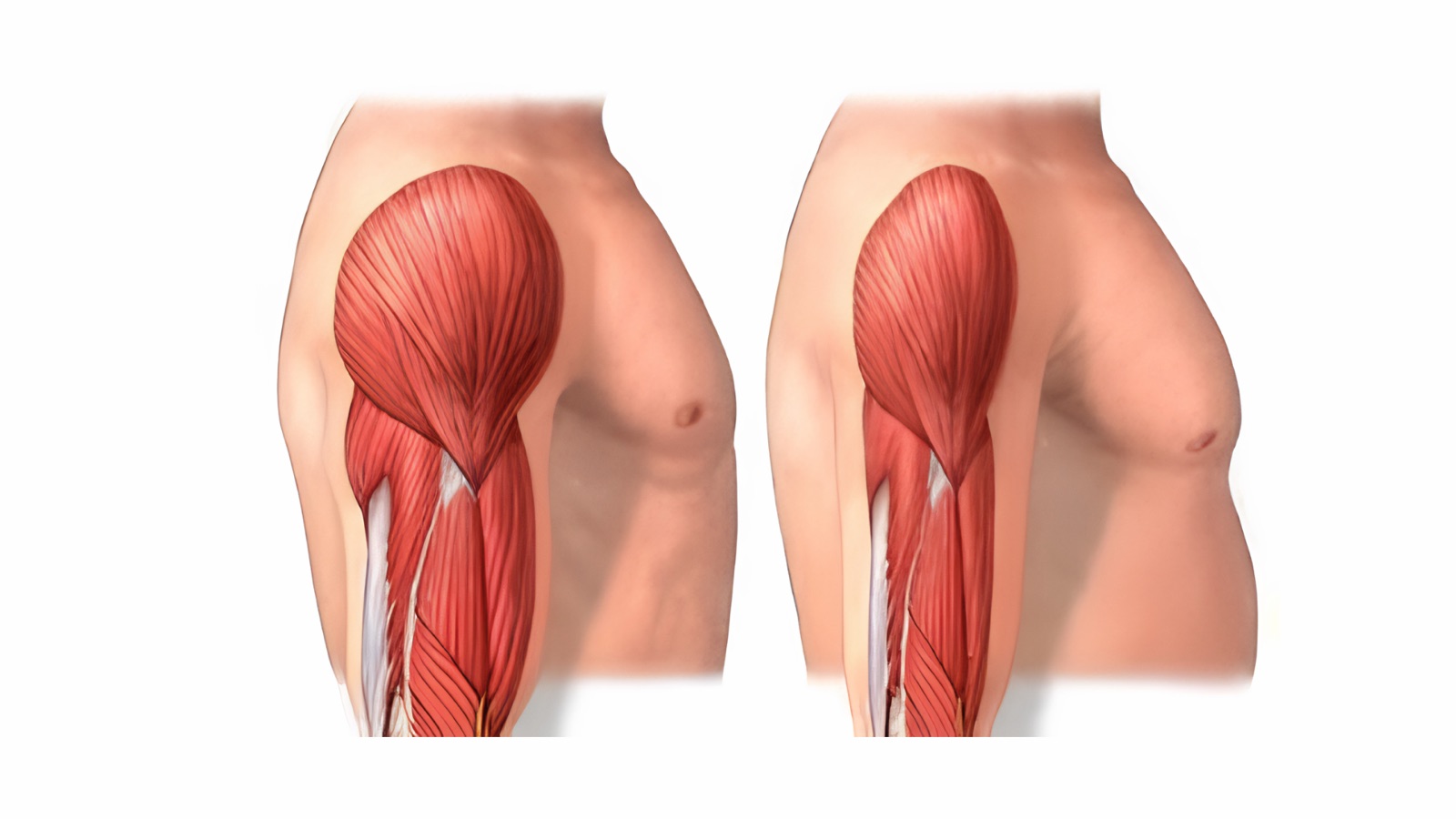
Starting in our 30s and 40s, we naturally lose about 3% to 8% of our muscle mass every decade. This gradual muscle loss (known as sarcopenia) speeds up after age 50 or 60.
Strength training is your best defense against this decline. Building muscle does more than just keep you strong; it supports your bones, joints, and balance. Official guidelines from Osteoporosis Canada emphasize that combining strength training with simple aerobic exercise is essential for keeping your independence as you age.
Does Light Movement Help Lower Cancer Risk?
Yes! Any movement is better than sitting still. However, casual movement alone isn’t always enough to get the full health protection your body needs. Intentional exercise makes a much bigger impact.
Walking at a brisk pace, climbing stairs, or walking up a hill gets your heart rate up, and that higher heart rate is what triggers stronger immune and metabolic defenses inside your body.
The Baseline Goal: 2.5 Hours a Week
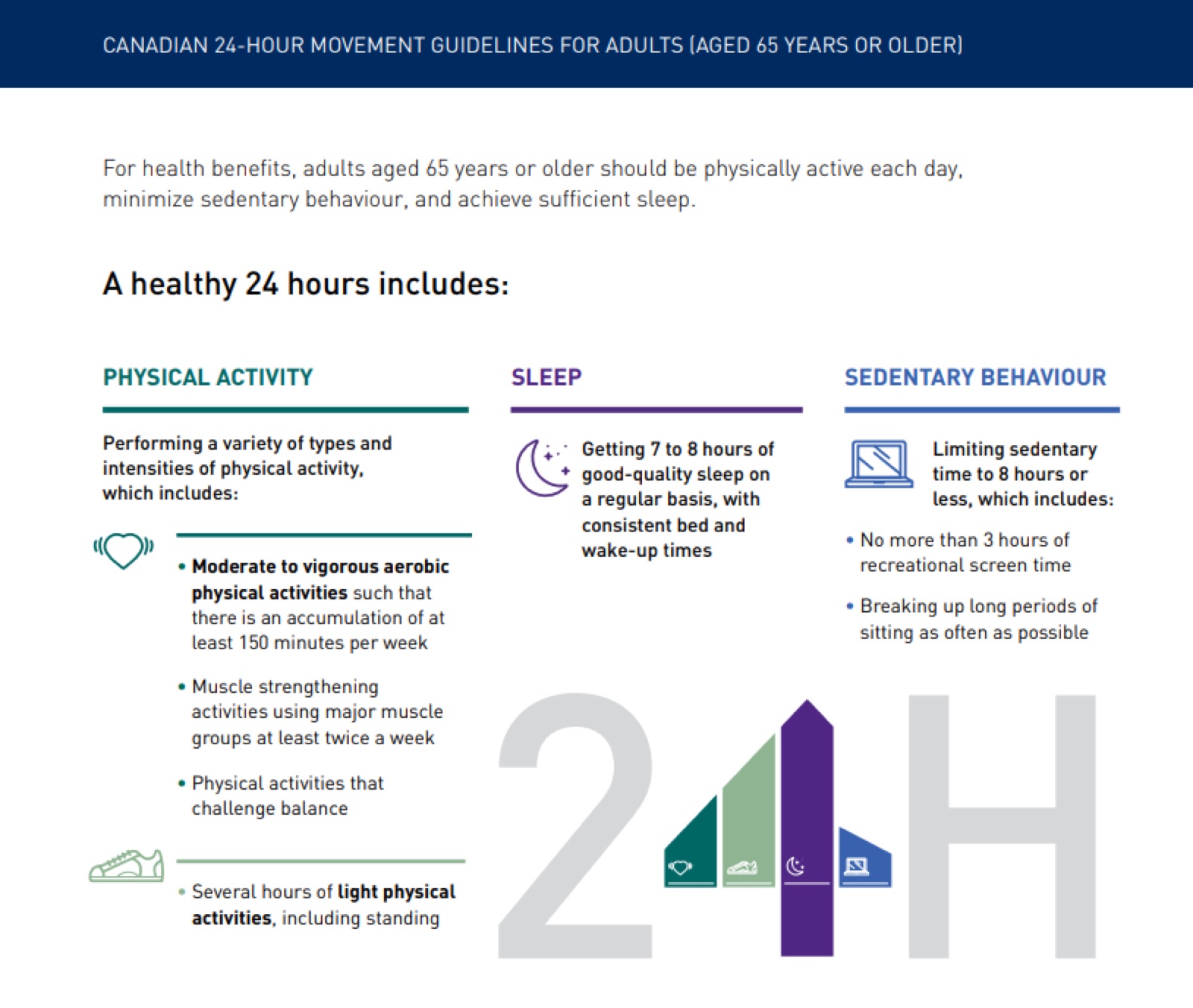
The Canadian Society for Exercise Physiology (CSEP) recommends getting at least 150 minutes (2.5 hours) of moderate-to-vigorous physical activity each week.
That breaks down to about 20 to 30 minutes a day, 5 days a week. You don’t need to push yourself to total exhaustion. Consistency is what counts.
Here is how to split those 2.5 hours effectively:
1.5 Hours of “Zone 2” Cardio
Pick an activity you enjoy: brisk walking, jogging or running, cycling, swimming, or rowing.
The goal is to keep your heart rate in “Zone 2” (roughly 110 to 130 beats per minute for most adults). Zone 2 cardio is one of the best ways to build heart and lung endurance over time.
The talk test: If you can talk effortlessly in full sentences, your pace is too easy. If you can’t speak at all, you’re pushing too hard. You want to be breathing hard enough that you can only speak in short, broken sentences.
1 Hour of Strength Exercises (At Least 2 Days a Week)
You don’t need to lift heavy gym weights to get the benefits. Lifting lighter weights for more repetitions builds muscle and supports your metabolism while keeping injury risks low.
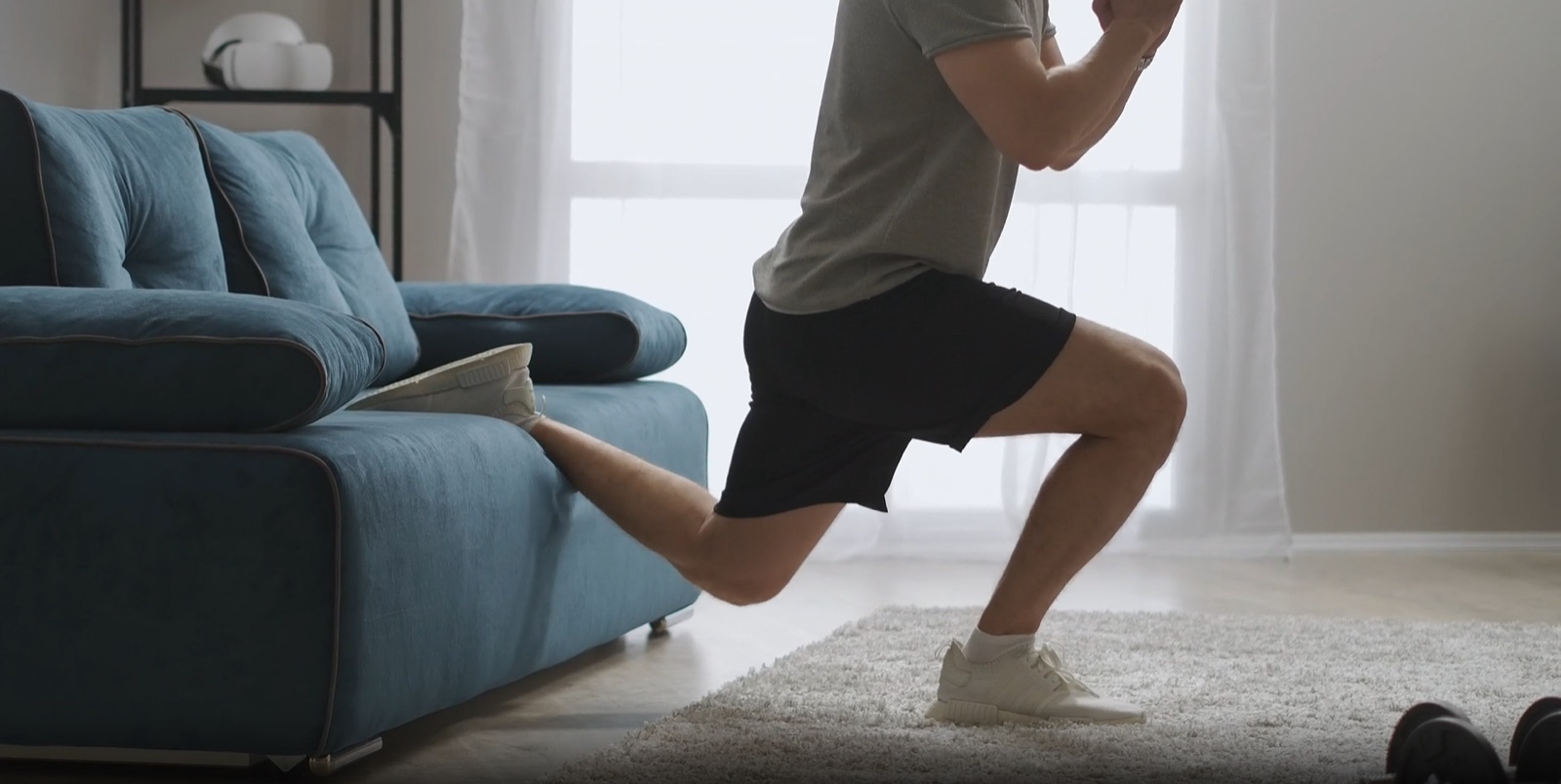
Focus on compound exercises that use multiple joints at once, like squats (using your hips, knees, and ankles) or wall push-ups, rather than single-joint moves like bicep curls. Multi-joint movements give you the highest return on investment for bone and joint health.
Is More Always Better?
What if you want to push past the baseline?
Health benefits keep adding up until you reach about 5 hours of exercise a week. Beyond 5 hours, the protective benefit levels off, meaning you don’t need to spend hours in the gym every day to protect your health. Hitting that 2.5 to 5-hour sweet spot with consistent, intentional movement gives you the greatest protection.
References
- Canadian Society for Exercise Physiology (CSEP). (2020). Canadian 24-Hour Movement Guidelines for Adults (18–64 years and 65+ years). csepguidelines.ca
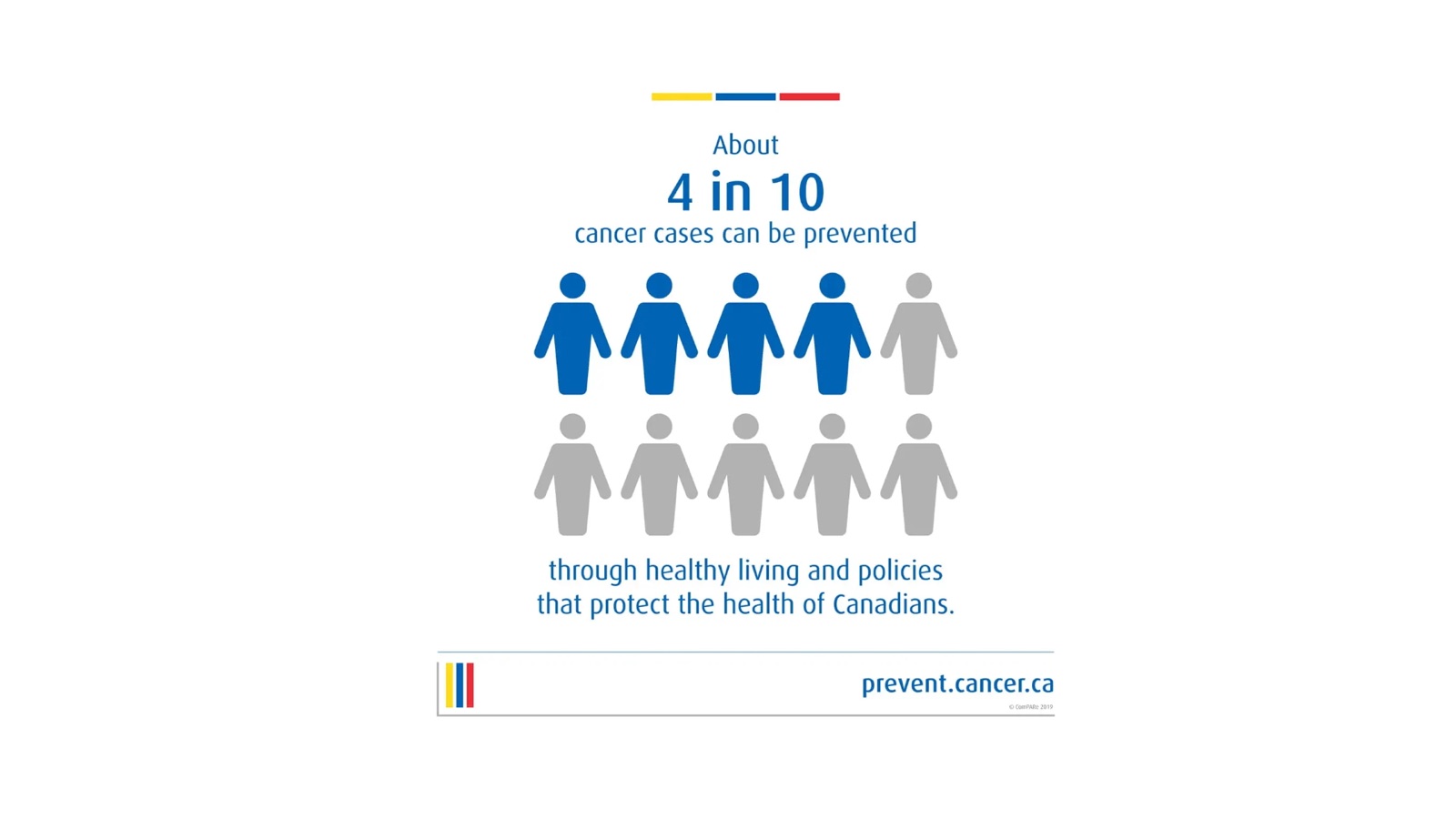
- Canadian Population Attributable Risk of Cancer (ComPARe) study. (2019). Percentage of all cancer cases that could be prevented in Canada. cancer.ca
- Saint-Maurice, P. F., et al. (2020). Association of Daily Step Count and Step Intensity With Mortality Among US Adults. JAMA, 323(12), 1151–1160.
- Osteoporosis Canada / Canadian Frailty Network. Sarcopenia (Muscle Wasting) and Frailty in Canada.
- International Osteoporosis Foundation. (2017). Normal muscle mass vs. muscle wasting (sarcopenia) [Figure]. Reproduced via Canadian Frailty Network (CFN): Sarcopenia (Muscle Wasting) and Frailty. cfn-nce.ca (accessed September 18, 2026).
Disclaimer: This article is for general educational purposes only and does not constitute medical advice, diagnosis, or treatment. Screening recommendations vary by location and individual risk. Cancer blood tests and whole-body MRI should not be used to delay or replace established screening, diagnostic evaluation, or medical care recommended by a qualified healthcare professional.