
We often hear about monthly self-exams or looking for lumps, but proactive breast health goes beyond checking for a single physical sign.
One of the best habits to build is simple breast awareness: getting familiar with how the breasts normally look and feel so you may spot any unusual changes early.
Most breast changes are not caused by cancer and can be linked to things like cysts, hormones, or normal changes in breast tissue. Still, paying attention to what is normal for your body is an important part of breast health.
Here are 7 physical warning signs that are worth getting evaluated by your doctor:
1. A New Lump or Area of Thickening
This is the most common sign. If you feel a new lump or a thick, firm spot in your breast or underarm area that doesn’t go away after your period, get it checked out. While cancerous lumps are often firm and painless, they can sometimes feel soft or tender, too.
How Doctors Measure Lumps and Staging
When breast cancer is diagnosed, doctors consider several factors when determining its stage, including tumour size, whether cancer has reached nearby lymph nodes, and whether it has spread to other parts of the body.
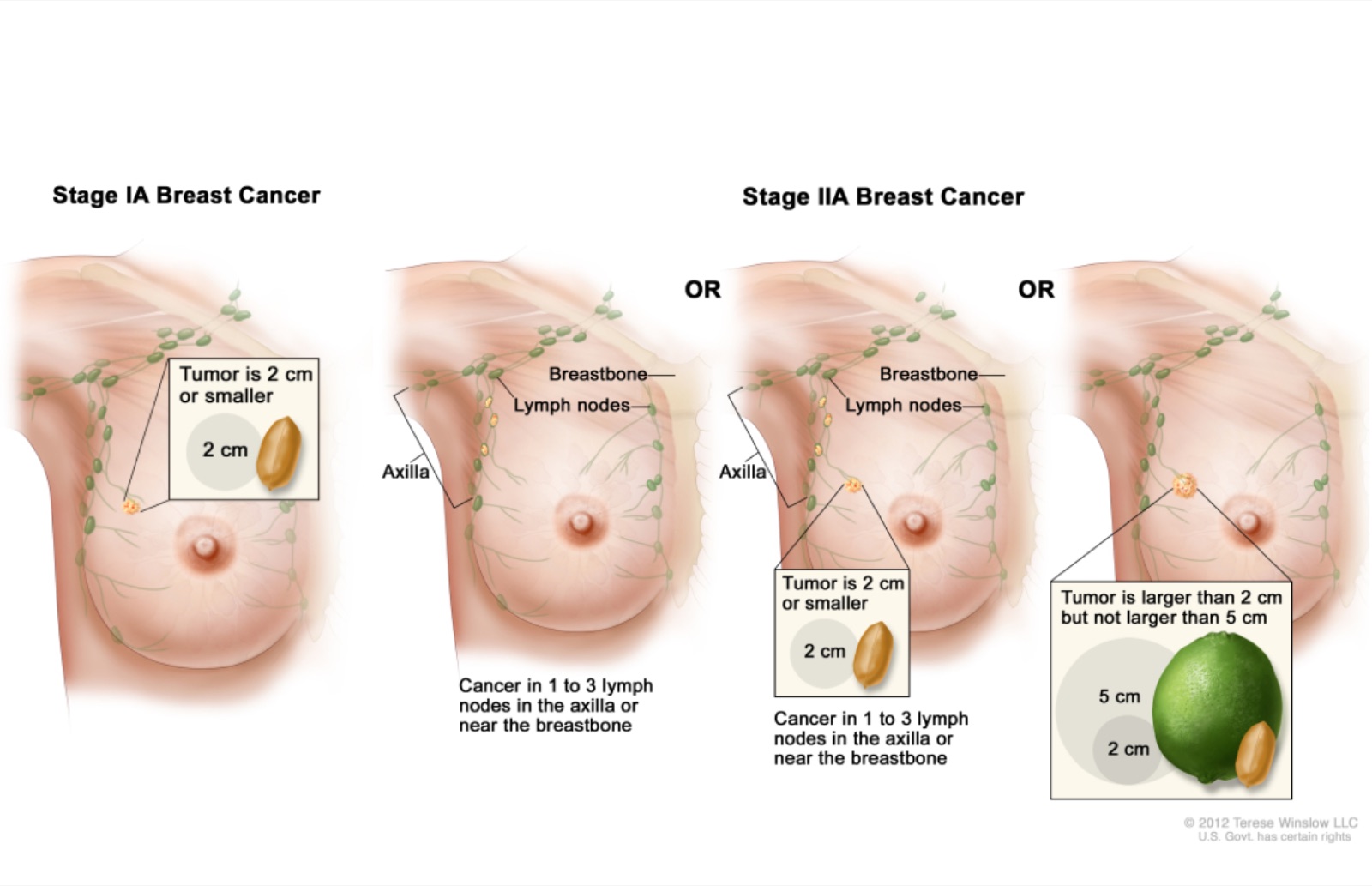
- Stage I (early-stage): The tumour is generally small, typically 2 cm or smaller. Cancer may be confined to the breast, or very small clusters of cancer cells may be found in nearby lymph nodes.
- Stage II: This stage can include different combinations of tumour size and nearby lymph-node involvement. For example, a tumour may be 2 cm or smaller with cancer in 1 to 3 nearby lymph nodes, or it may be larger than 2 cm but no more than 5 cm without lymph-node involvement. Other Stage II combinations are also possible.
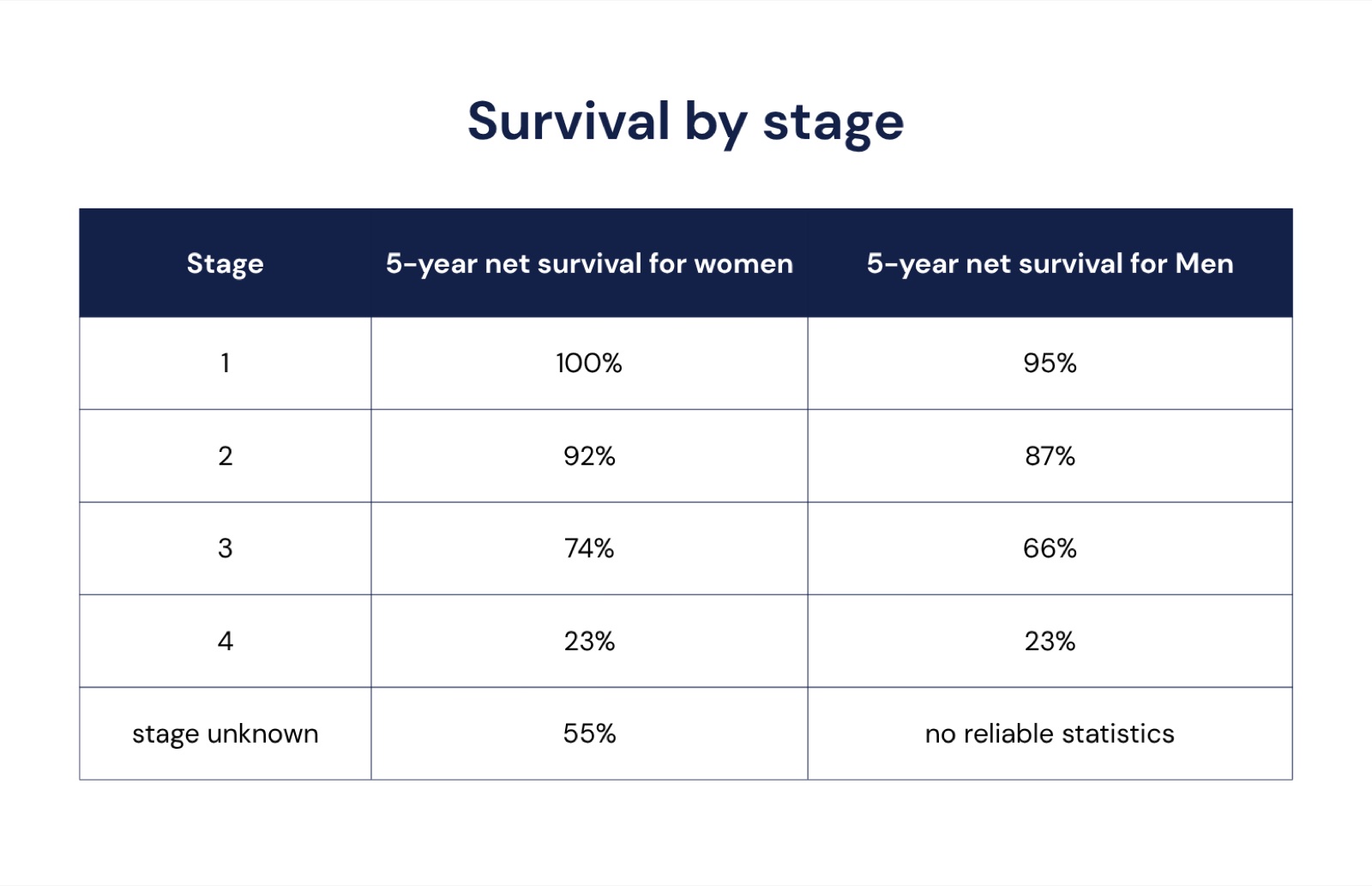
Why early detection matters: According to long-term Canadian health data, breast cancer caught at Stage I has a 5-year survival rate of almost 100%, and Stage II has a survival rate of 92%. In general, breast cancer diagnosed at an earlier stage has a better prognosis and may offer more treatment options.
2. Changes in Breast Size or Shape
It is normal for breasts not to be perfectly symmetrical. However, if you notice a sudden or noticeable change in the outline, size, or shape of one breast that isn’t related to normal period shifts, weight changes, or pregnancy, let your doctor know.
3. Skin Texture Shifts (Dimpling or “Orange Peel” Effect)
Pay close attention to the skin on your breasts. If you notice localized dimpling, puckering, or a texture change that resembles the pitted skin of an orange (clinically called peau d’orange), it should be clinically evaluated.
4. Nipple Changes or Inversion
If a nipple that normally points outward suddenly turns inward (inversion), flattens, or changes direction, mention it to your physician. Redness, scaling, or flaking skin around the nipple area is also a signal to watch.
5. Unexplained Nipple Discharge
If fluid leaks from a nipple on its own (without squeezing), comes from only one breast, or looks clear or bloody, mention it to your physician. Most discharge stems from harmless hormonal or duct changes, but getting an expert opinion is the best way to be sure.
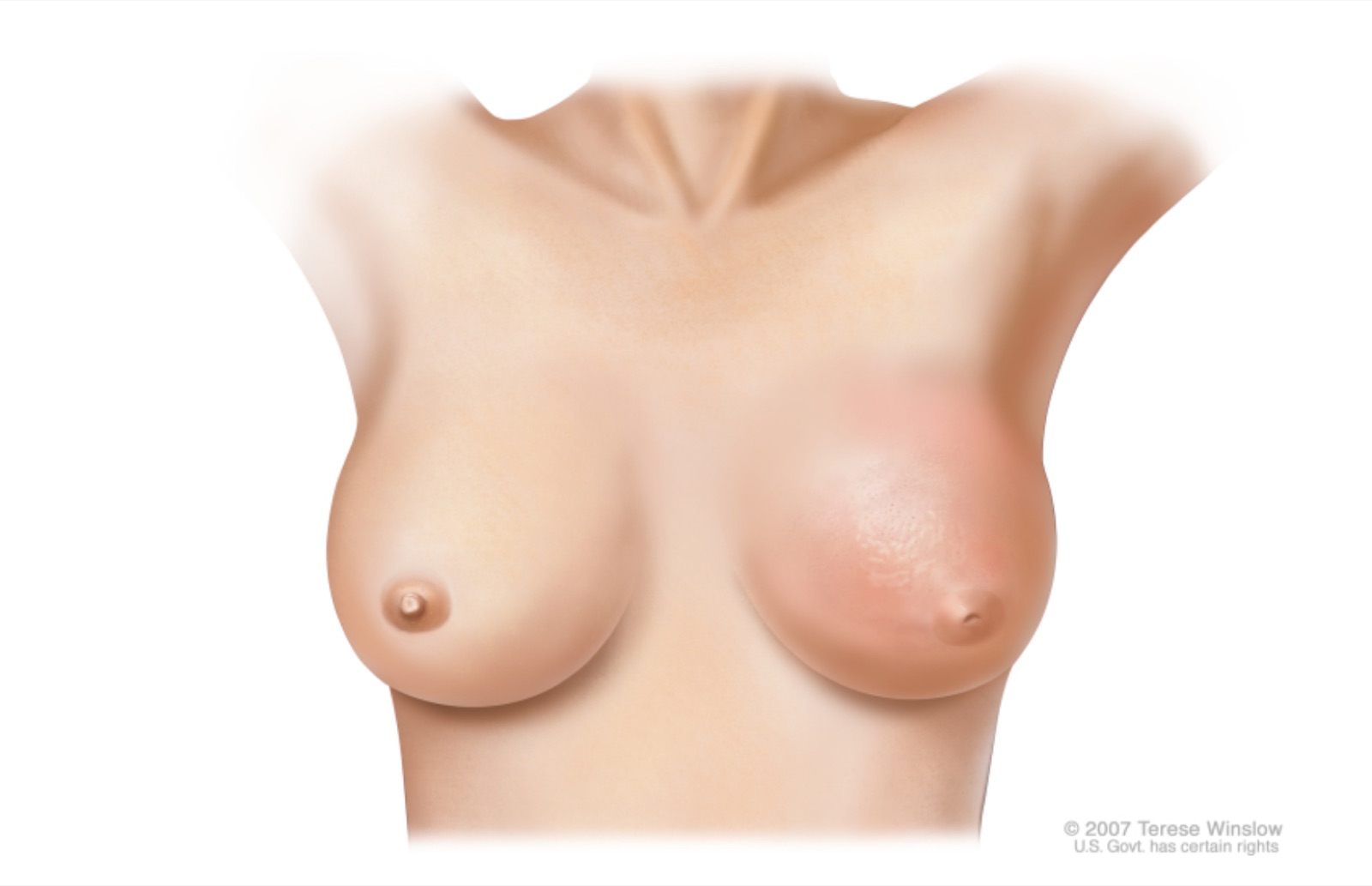
6. Persistent Redness, Warmth, or Swelling
If part or all of a breast becomes visibly red, feels unusually warm to the touch, or swells up, even without a distinct lump present, it should be checked promptly. These symptoms can have several possible causes, but they should be evaluated by a healthcare professional.
7. Swelling Near the Collarbone or Armpit
Breast tissue extends up toward the collarbone and into the underarm area. Swollen lymph nodes or small lumps near the collarbone or under the arm can sometimes appear before a primary lump is felt in the breast itself.
What Happens When You Get Evaluated?
If you spot any of these physical changes, your doctor may recommend one or more of the following diagnostic steps to gather a clearer picture:
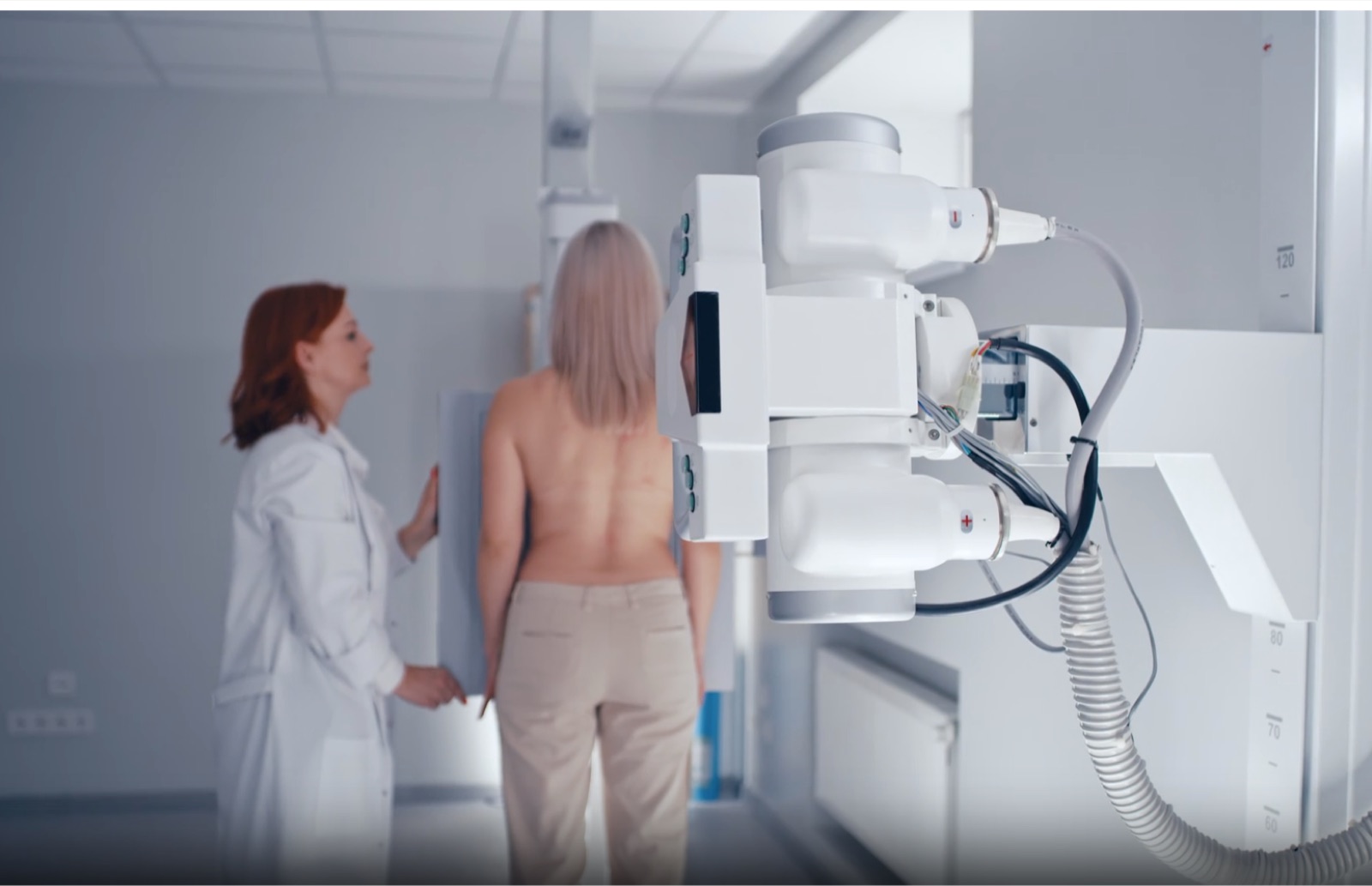
- Clinical physical exam: A thorough examination where your healthcare provider carefully checks the breasts and underarm areas for unusual tissue changes.
- Diagnostic imaging: Focused imaging, such as a diagnostic mammogram, ultrasound, or targeted MRI, to visually inspect internal physical structures.
- Targeted tissue sampling (biopsy): If imaging identifies a specific area of concern, a doctor may perform a quick, localized biopsy (using a fine needle or core needle) to analyze a sample of fluid or tissue under a microscope.
The Takeaway: Screening vs. Symptoms
If you feel a new lump or notice physical changes, reach out to your doctor for a diagnostic check right away.
If you feel completely fine and have no symptoms, keeping up with age-appropriate routine screenings (like mammography) and discussing any additional testing with your physician forms a strong, proactive foundation for long-term health.
References
- National Cancer Institute (NCI): Breast Cancer Staging & Evaluation. Official NCI patient guidelines on cellular evaluation, physical signs, and diagnostic procedures.
- Canadian Cancer Society: Signs & Symptoms of Breast Cancer. Canadian guidance on breast awareness, localized signs, and when to consult a doctor.
Disclaimer: This article is for general educational purposes only and does not constitute medical advice, diagnosis, or treatment. Screening recommendations vary by location and individual risk. Cancer blood tests and whole-body MRI should not be used to delay or replace established screening, diagnostic evaluation, or medical care recommended by a qualified healthcare professional.