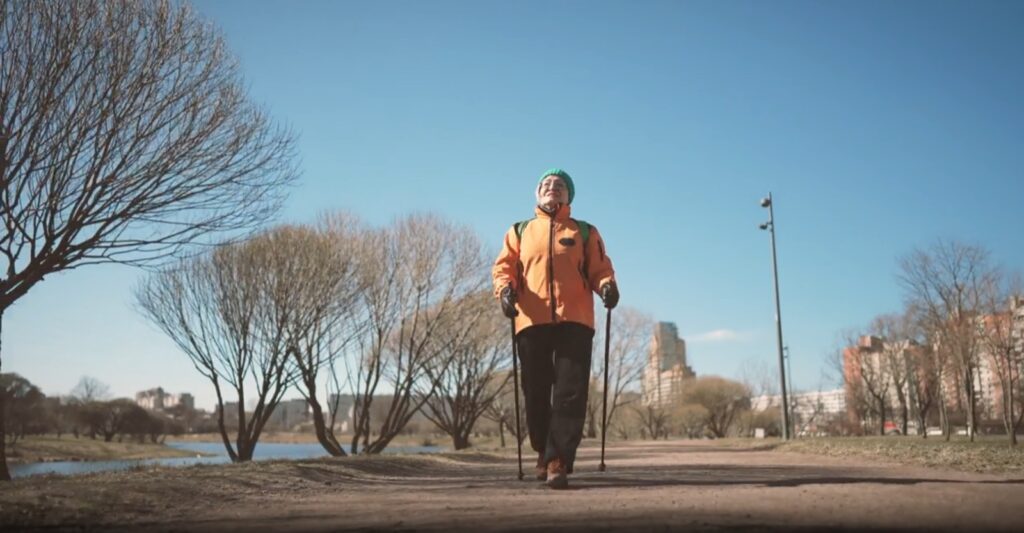
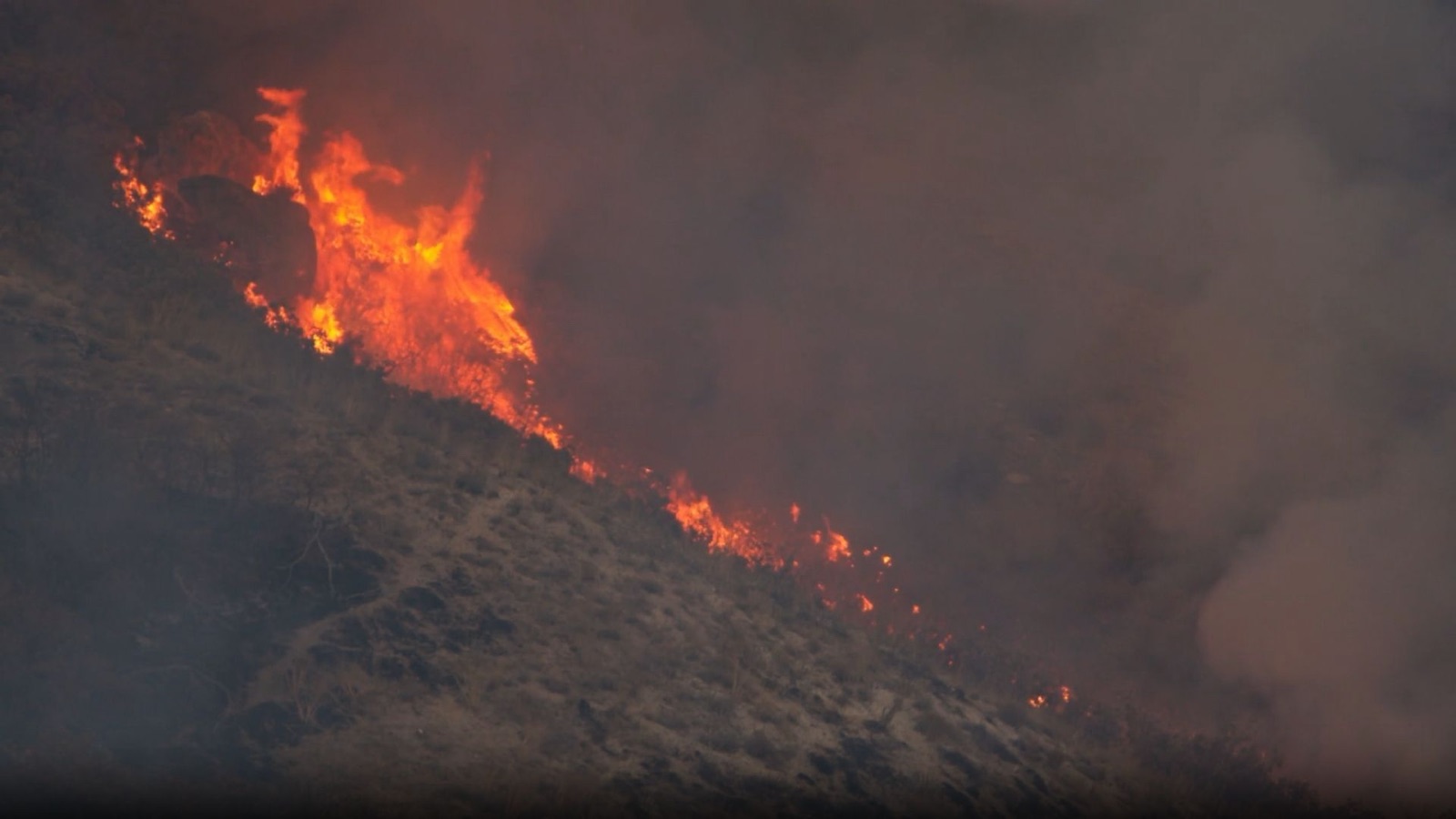
With wildfire activity frequently impacting air quality across British Columbia and beyond, many people wonder about the real health effects of breathing in heavy smoke.
Is natural smoke bad for you? Does it increase cancer risk?
Research suggests that long-term exposure to wildfire smoke may increase cancer risk. Despite originating from nature, wildfire smoke contains a complex mixture of harmful chemicals and fine particles that can affect respiratory and overall health.
How Does Wildfire Smoke Compare to Smoking Cigarettes?

Experiencing a severe, choking wildfire smoke event can impact health in ways similar to traditional smoking:
Why Natural Smoke Isn’t “Fresh Air”
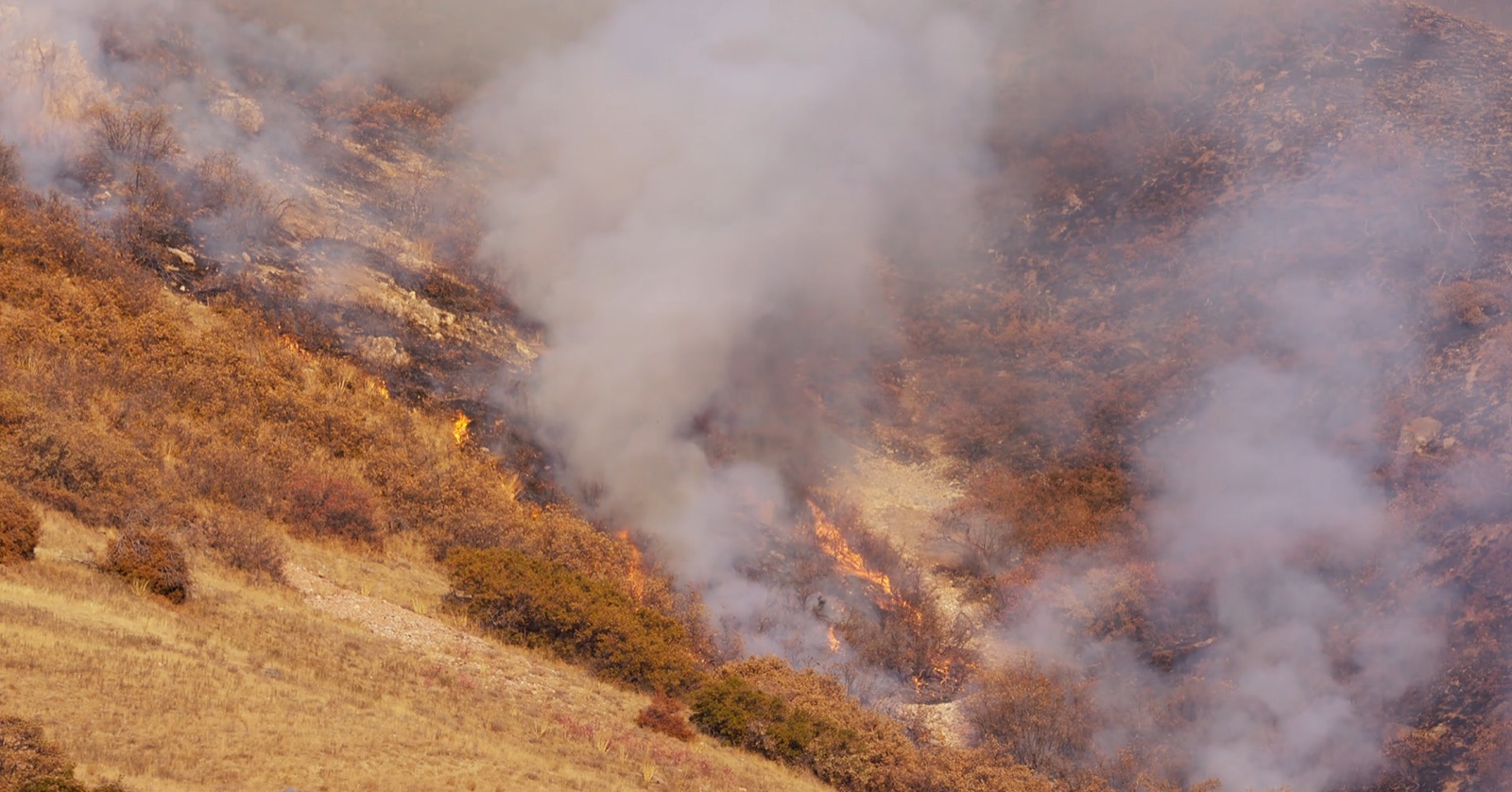
When forests burn, they don’t just burn clean wood. Combustion creates volatile chemical compounds, heavy metals, and microscopic particles that settle deep inside the body.
What Is Inside Wildfire Smoke?
Wildfire smoke is packed with microscopic pollutants that pose hidden risks:
- Fine particulate matter (PM 2.5): Tiny particles that penetrate the body’s natural defenses, reaching internal organs and damaging cells at a microscopic level.
- Heavy metals: Metallic elements carried through burned debris and vegetation.
- Volatile organic compounds (VOCs): Chemical gases released during intense combustion.
- Polycyclic aromatic hydrocarbons (PAHs): Chemical compounds produced when wood and organic materials burn incompletely.
Ways Smoke Affects the Body Beyond the Lungs
Most people associate smoke exposure strictly with coughing or lung irritation. However, because fine particulates can penetrate deep into the lungs and affect systems beyond the respiratory tract, recent research presented at the American Association for Cancer Research (AACR) Annual Meeting found an association between wildfire smoke exposure and an increased risk of:
- Lung cancer
- Colon cancer
- Bladder cancer
- Blood cancers (such as leukemia and lymphoma)
Protect Lung and Cellular Health
When air quality advisories are in effect, taking practical steps can help reduce smoke exposure:
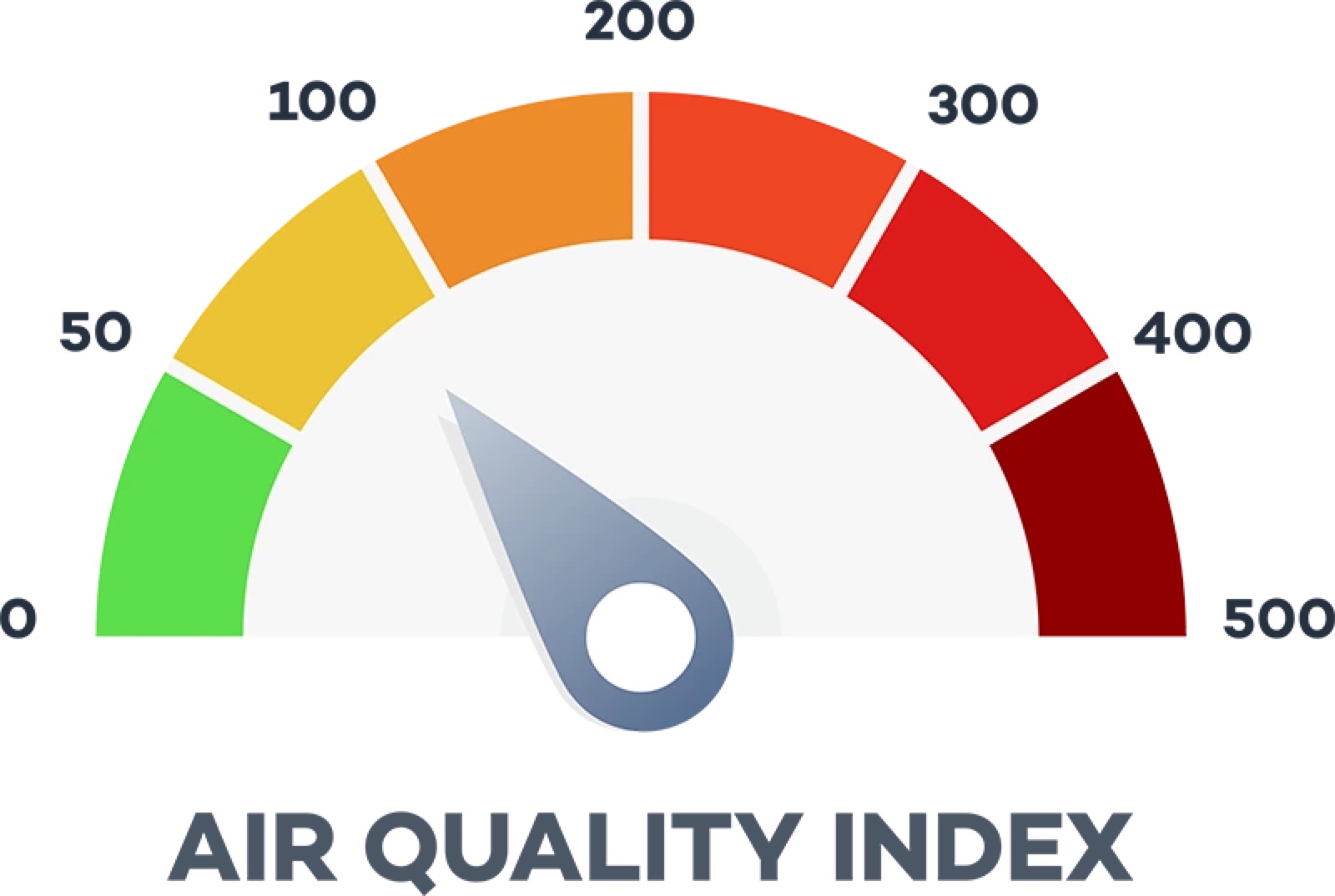
- Monitor local AQI levels: Pay attention to daily Air Quality Index updates before planning outdoor activities.
- Filter indoor air: Keep windows closed during high-smoke days and utilize HEPA air filtration where possible.
- Reduce outdoor exertion: Avoid intense outdoor exercise when air quality reaches hazardous levels to prevent deep inhalation of fine particles.
Staying informed and protecting respiratory health remains a vital part of daily wellbeing during wildfire season. For real-time air quality updates, health guidance, and practical safety steps, check local air quality advisories and follow official public health guidance through the Government of Canada’s Wildfire Smoke and Health Resources.
Disclaimer: This article is for general educational purposes only and does not constitute medical advice, diagnosis, or treatment. Screening recommendations vary by location and individual risk. Cancer blood tests and whole-body MRI should not be used to delay or replace established screening, diagnostic evaluation, or medical care recommended by a qualified healthcare professional.