
Walk down the wellness aisle of any pharmacy, and you’ll see dozens of supplement bottles promising to “boost immunity” or protect against serious illness. It’s natural to wonder: Can taking a daily vitamin help lower my risk of breast cancer?
The short answer? It’s not black-and-white. Vitamins aren’t automatically good or bad. Getting them from real food is great, but taking them in high-dose pill form can actually do more harm than good.
Here is what the research actually shows.
Food First: Why Real Food Beats Pills
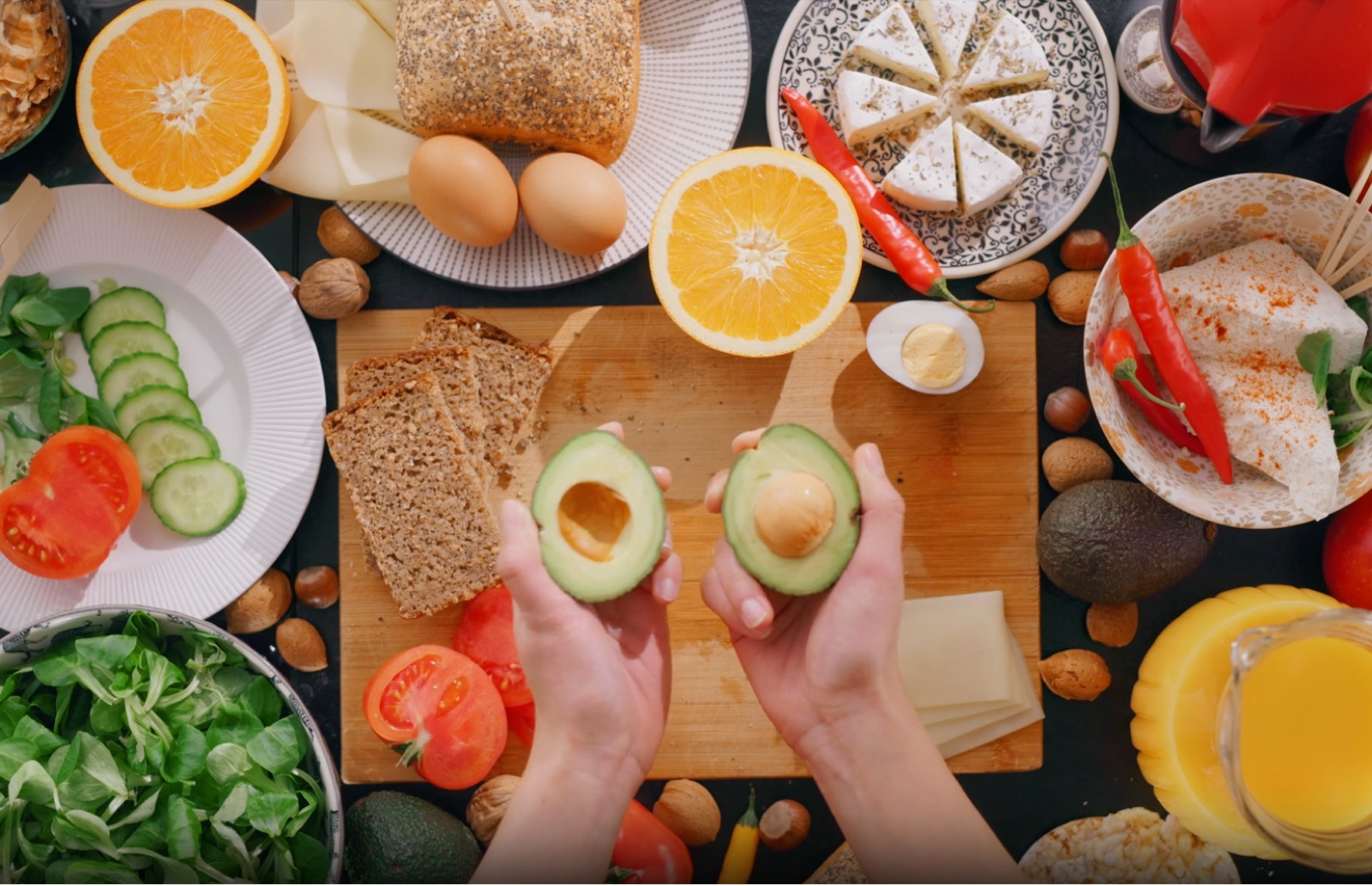
Major health organizations, like the Canadian Cancer Society and Health Canada, recommend getting the nutrients you need through a healthy, varied diet, while recognizing that supplements can be useful or recommended in certain situations.
Eating a variety of vegetables, fruits, whole grains, and healthy fats gives your body a natural mix of nutrients that work together. Research supports healthy eating as an important part of reducing cancer risk. However, vitamin and mineral supplements have not been shown to provide the same cancer-risk reduction as an overall healthy diet.
What About Specific Vitamins?
While no magic pill can prevent cancer, certain vitamins play important supporting roles in overall health:
- Vitamin D: Essential for bone health and helping the body absorb calcium. Health Canada recommends getting vitamin D from foods or supplements every day, with specific supplementation recommendations depending on age. However, major randomized clinical trials, such as the landmark VITAL Study (Vitamin D and Omega-3 Trial) published in The New England Journal of Medicine, found that taking vitamin D did not significantly reduce the incidence of invasive cancer overall.
- Antioxidants (vitamins A, C, E, & selenium): These help protect your cells from damage caused by free radicals. Getting antioxidants from berries, nuts, and leafy greens is a healthy way to include these nutrients in your diet, but high-dose antioxidant supplements have not been proven to lower cancer risk, and high doses of some supplements may be harmful.
- Omega-3 fatty acids: Found in fatty fish, flaxseeds, and walnuts, omega-3s are an important part of a healthy diet, but there is not enough evidence to recommend omega-3 supplements specifically for reducing breast cancer risk.
The Risk of High-Dose Vitamin Pills
When it comes to vitamins, more is not better.
Major medical trials (like the CARET and SELECT studies) tested whether taking high doses of certain supplements, including beta-carotene and vitamin E, could help prevent disease.
The results were surprising: taking high doses of isolated vitamins in pill form didn’t provide the expected health benefits. In some studies, high doses of certain supplements were actually associated with increased health risks.
On top of that, high-dose supplements can interfere with prescribed medical treatments and how your body processes medications. Always check with your doctor or a dietitian before starting any high-dose vitamin regimen.
Everyday Lifestyle Choices That Make a Real Difference
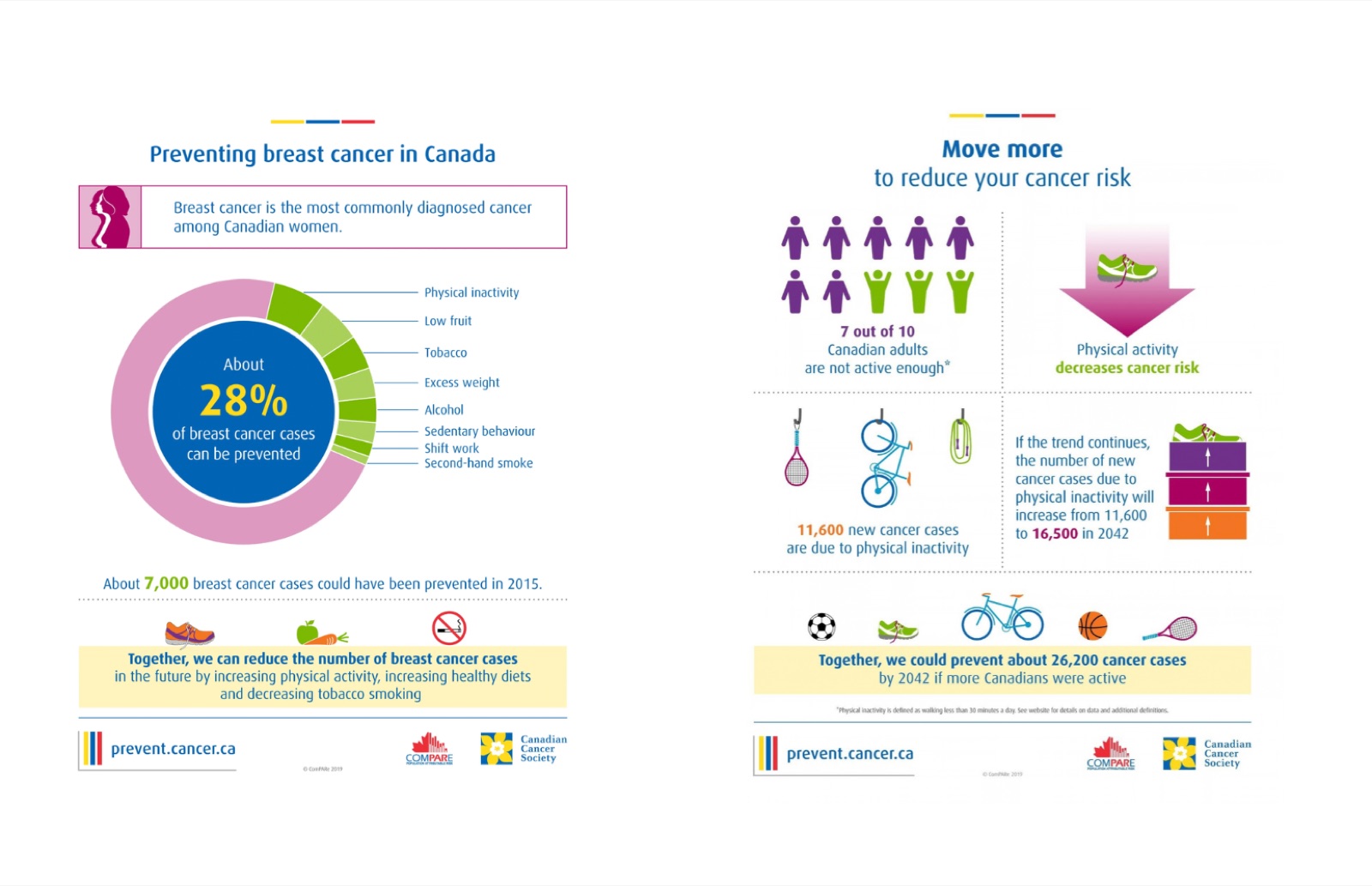
Rather than relying on supplement bottles, evidence supports focusing on established lifestyle factors that can help lower breast cancer risk:
- Moving regularly: Aiming for 150 minutes of moderate physical activity weekly is a widely recommended goal, and regular physical activity is associated with a lower risk of breast cancer.
- Limiting alcohol intake: Drinking less alcohol can lower your breast cancer risk. The more alcohol a person drinks, the greater the risk.
- Managing your weight: Maintaining a healthy body weight and avoiding excess weight gain can help lower breast cancer risk after menopause.

The Bottom Line
Vitamins are essential for health, but supplements should not be relied on as a way to prevent breast cancer. Eating well, staying active, limiting alcohol, maintaining a healthy weight where appropriate, and keeping up with regular doctor visits remain important parts of long-term health.
References
- Canadian Cancer Society: Eating Well and Vitamin & Mineral Supplements. Official Canadian guidance on whole-food nutrition, supplements, and cancer risk reduction.
- Health Canada: Vitamin D and Calcium Guidelines. Health Canada’s official guidance on vitamin D intake and supplementation recommendations for Canadians.
- World Cancer Research Fund (WCRF): Diet, Physical Activity, and Cancer. Global research and evidence summaries on nutrition, physical activity, body weight, alcohol, and cancer risk.
Disclaimer: This article is for general educational purposes only and does not constitute medical advice, diagnosis, or treatment. Screening recommendations vary by location and individual risk. Cancer blood tests and whole-body MRI should not be used to delay or replace established screening, diagnostic evaluation, or medical care recommended by a qualified healthcare professional.